Thai Deep Tissue Massage in Guardamar del Segura
Thai deep tissue massage combines firm pressure with traditional Thai technique to target chronic tension held deep within the muscles, rather than simply relaxing surface-level tightness. At Dok-Kun in Guardamar del Segura, this therapeutic approach draws on the same pressure-point and stretching principles found in traditional Thai massage, but applies them with greater intensity for clients dealing with persistent pain in the back, shoulders, or legs. It’s the treatment of choice for anyone whose tension needs more than a light touch to shift.
What Sets Thai Deep Tissue Massage Apart
Standard relaxation massage typically works on surface muscles using lighter, gliding strokes, while thai deep tissue massage applies sustained, firmer pressure using fingers, thumbs, and elbows to reach deeper muscle layers. The stretching element of Thai technique adds another layer of benefit, helping loosen tight areas that firm pressure alone can’t fully release.
Because the pressure involved is more intense, sessions can feel demanding in the moment, though most clients describe this as “good pain” that eases once the pressure is released.
- Firm, sustained pressure targeting deep muscle layers, not just surface tension
- Combines pressure-point technique with therapeutic stretching
- Particularly effective for chronic back, shoulder, and leg tension
- Best suited to clients seeking therapeutic relief rather than gentle relaxation
Thai Back Massage and Common Problem Areas
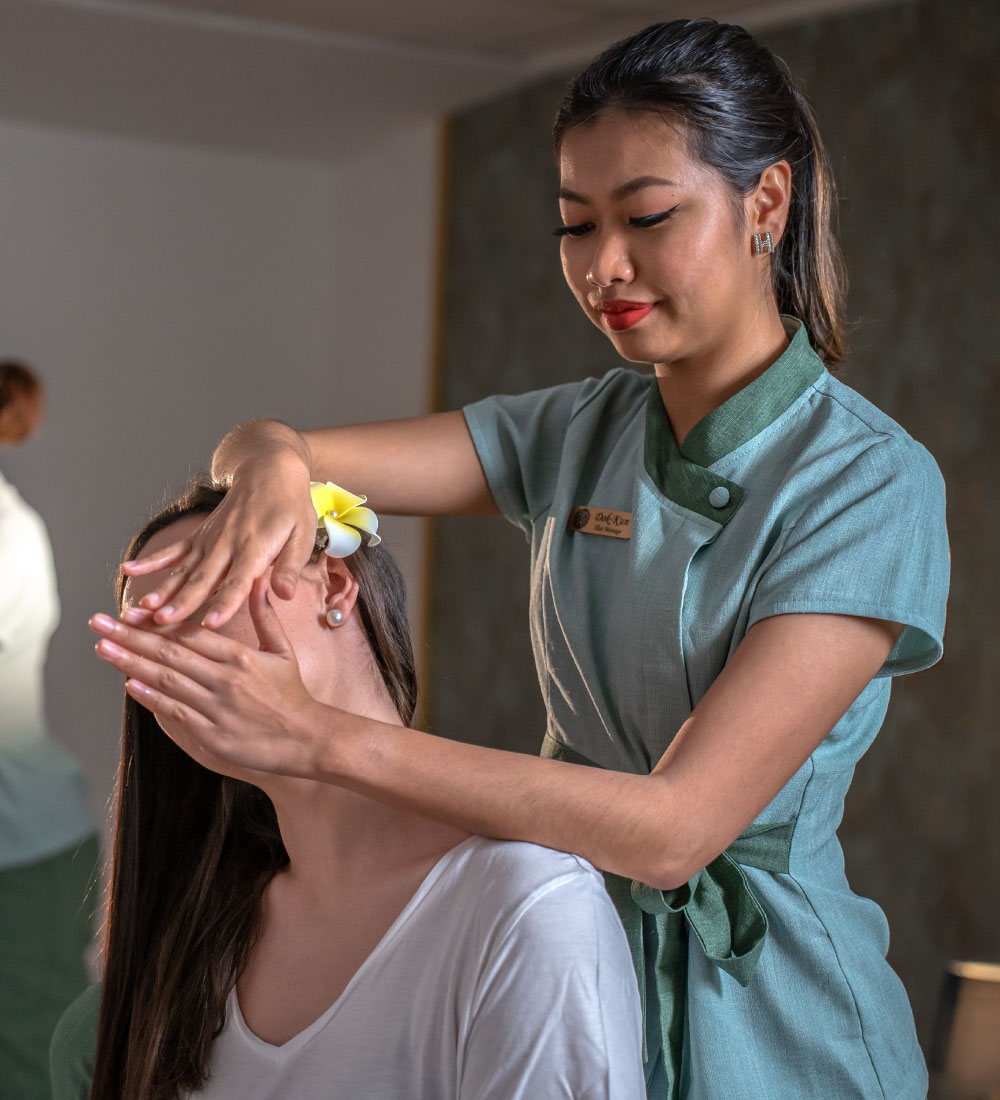
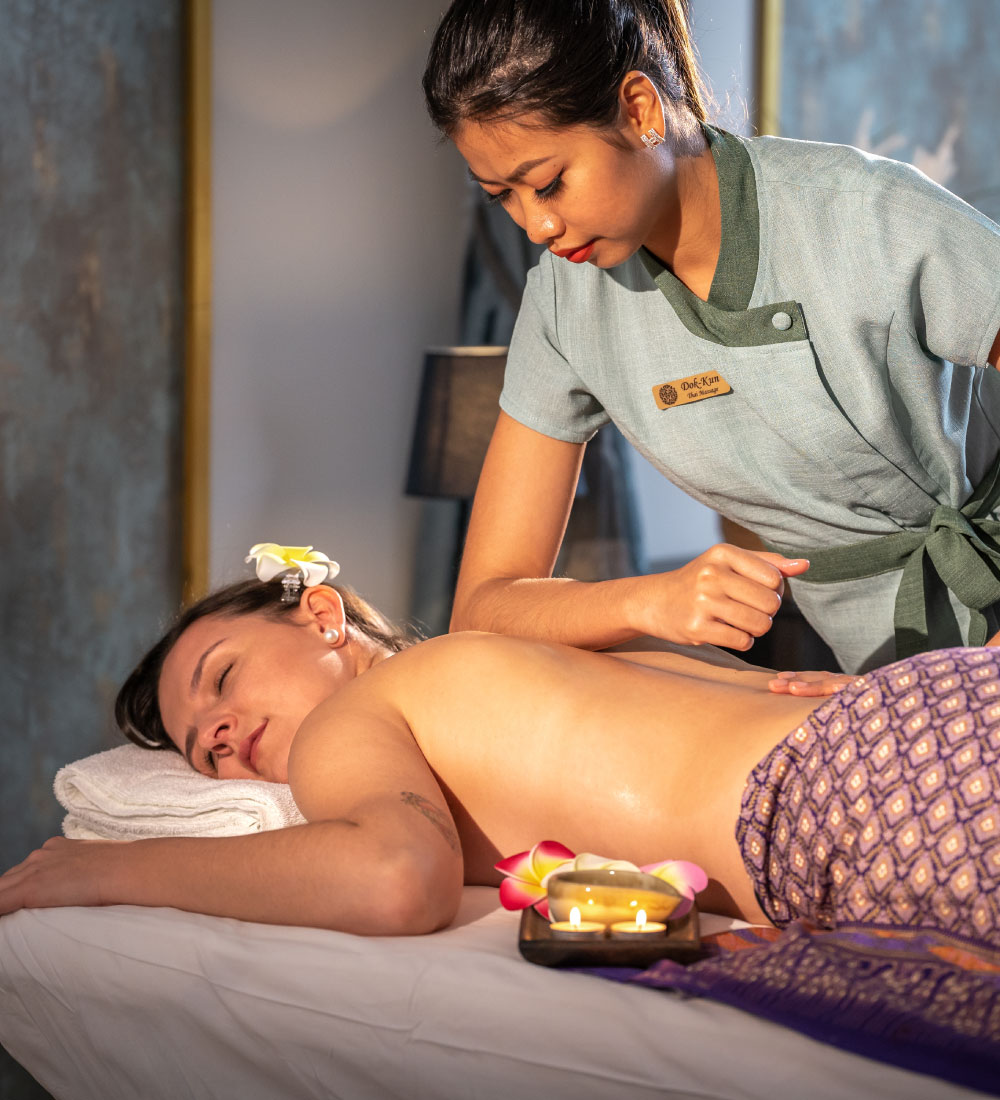
A thai back massage focused specifically on this treatment style often targets the lower back and shoulder blades, areas where tension frequently builds from poor posture, prolonged sitting, or physical strain. Clients dealing with tightness that radiates from the lower back are sometimes also candidates for a treatment addressing thai massage for sciatica. A thai head massage focusing on the scalp and neck is sometimes added for clients whose tension extends upward into headaches or neck stiffness.
Pressure is built gradually rather than applied immediately, and it can be adjusted at any point during the session. Telling the therapist how an area feels as they work is genuinely useful rather than an interruption, because deep tissue work should be firm and productive rather than something you brace against.
Is Thai Massage Painful? What to Expect
One of the most common questions clients ask before booking is whether this treatment style hurts, and the honest answer is that some discomfort is normal, particularly during firm pressure or deep stretching. This is often described in the massage world as “good pain,” meaning discomfort that’s felt in the moment but fades quickly once pressure is released. Mild soreness for a day or two following the session is also common and typically resolves on its own.
- Discomfort during firm pressure is normal, but shouldn’t feel unbearable
- “Good pain” fades immediately once pressure is released
- Mild post-session soreness can last a day or two
- Speaking up during the session helps your therapist adjust intensity
Communication during the session is what keeps the pressure productive rather than uncomfortable. Saying when an area is tender is useful information for the therapist, not an interruption, and the pressure can be eased or redirected immediately without losing the sequence.
Thai Deep Tissue Massage Near Me: When to Choose It
Booking thai deep tissue massage near me makes sense when tension has moved past general stiffness into something that is limiting how you move. Deeper work through the back, shoulders, and hips addresses that more effectively than a relaxation-focused session, which will feel pleasant but is unlikely to shift it.
It is not the right first choice for everyone. If you are new to Thai massage entirely, starting with a traditional session and building up is usually the better route.
- Suited to persistent tightness rather than general fatigue
- Focused work through back, shoulders, hips and legs
- Pressure built gradually rather than applied immediately
- Adjustable at any point during the session
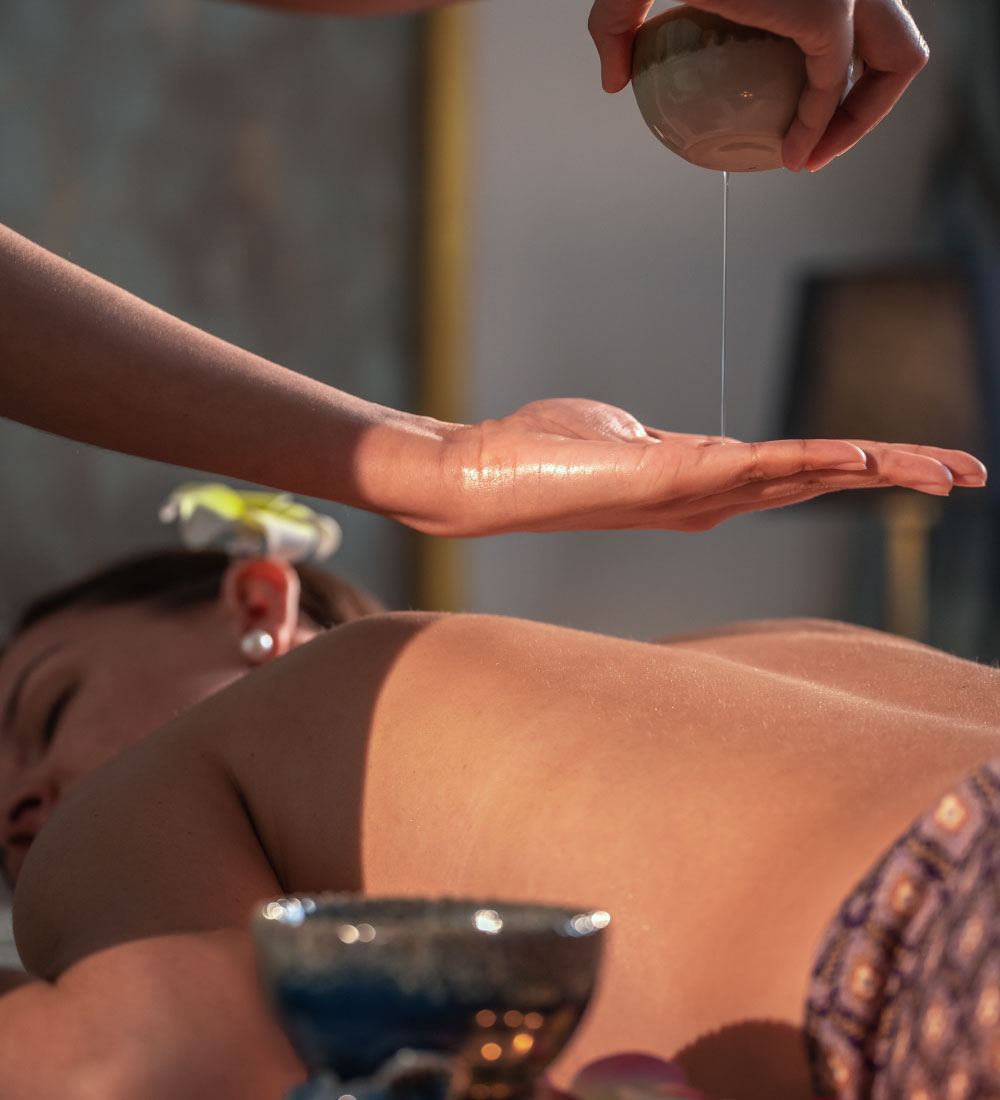
Thai Therapeutic Massage and Ongoing Maintenance
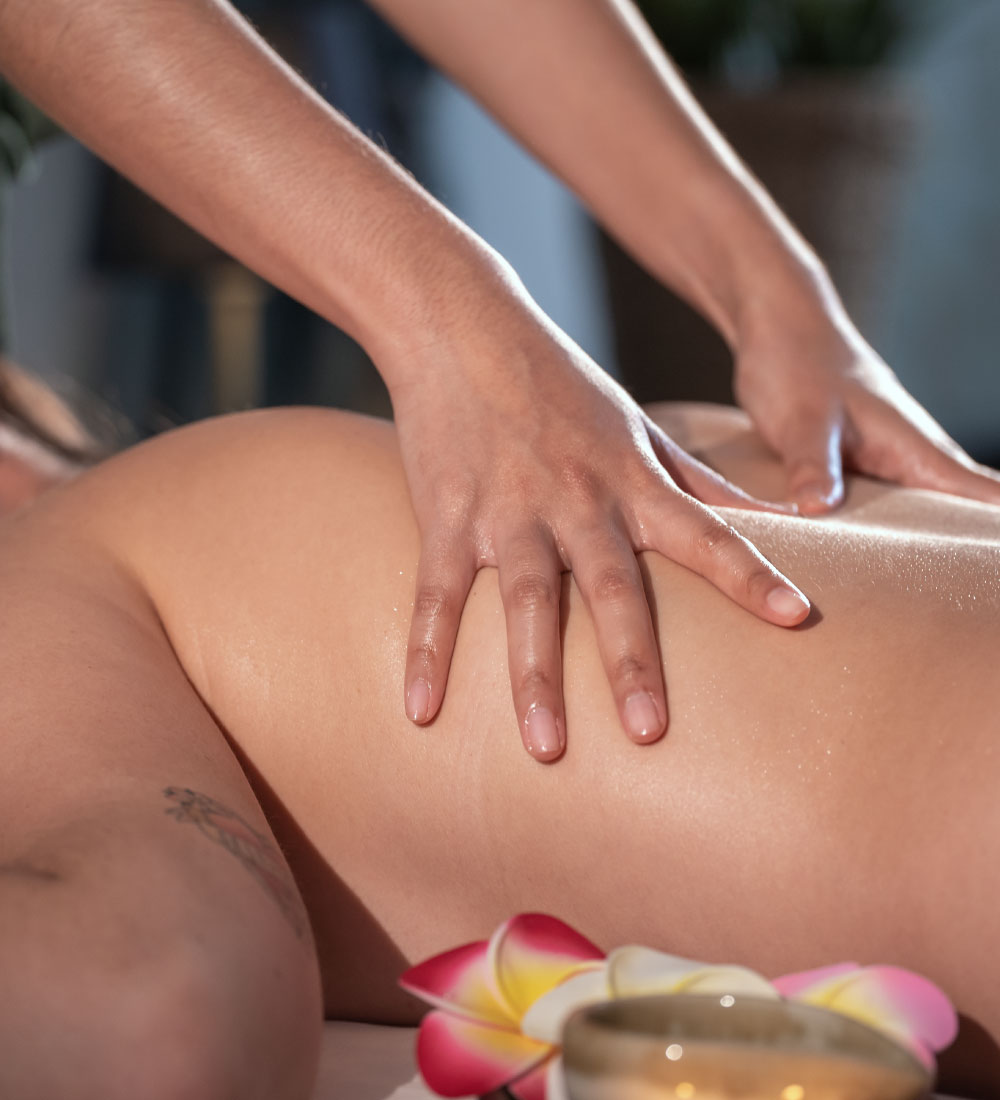
Thai therapeutic massage tends to work better as a repeated treatment than as a one-off. Tension that has taken months to build rarely resolves fully in a single session, and most clients working through a persistent problem find the improvement compounds across several visits.
The interval depends on the person and the problem. Some book weekly through a difficult period and then space visits out; others maintain a regular monthly session. The therapist can suggest a sensible interval once they have felt how your body responds.
Communicating Pressure Levels with Your Therapist
The single most important factor in avoiding bad pain during a deep tissue session is clear communication with your therapist throughout the treatment. Staying hydrated before your session can also help reduce muscle sensitivity and post-treatment soreness.
Dok-Kun’s approach to deep tissue therapy focuses on delivering genuine therapeutic relief without unnecessary discomfort, adjusting intensity to match what each client’s body actually needs. Call or message +34 657 196 765 to book a Thai deep tissue massage in Guardamar del Segura today.
—
Main
Services
- Thai Massage Near Me in Guardamar del Segura
- Traditional Thai Massage in Guardamar del Segura
- Thai Aromatherapy Massage in Guardamar del Segura
- Thai Body Massage in Guardamar del Segura
- Thai Deep Tissue Massage in Guardamar del Segura
- Thai Foot Massage in Guardamar del Segura
- Thai Herbal Compress Massage in Guardamar del Segura
- Thai Spa Treatments in Guardamar del Segura
- Thai Massage Price Guide for Guardamar del Segura
- Thai Massage in Guardamar del Segura